
Whoa! That first login felt like stepping into a new airport terminal. The screens flashed, the app asked for everything, and I froze for a second. My instinct said “don’t rush,” but also, seriously?, I just wanted to trade. Initially I thought the sign-in would be the hardest part, but then verification showed up and changed the game—slowly and then all at once.
Here’s the thing. OKX isn’t trying to annoy you. They’re trying to follow rules and keep funds safe, though actually the UX sometimes makes that less obvious. On one hand, the layered security (MFA, device binding, KYC) protects you; on the other hand, it can slow down trades when you need speed the most. I’ll be honest—this part bugs me when I’m in a hurry. But if you want leverage or futures, you’ll put up with somethin’ extra.
Short checklist first. Backup your email and phone access. Use a secure authenticator app instead of SMS when possible. Keep your recovery codes in a safe place. These are little safeguards that save headaches later, very very important.
Okay, so check this out—most US traders stumble on verification because of documentation issues. The platform asks for ID and sometimes a selfie or live check. Sometimes the uploaded photo looks fine to you, though actually the automated system flags shadows or blur. If that happens, retake in natural light and avoid sunglasses. My gut says simpler is better: plain background, neutral expression, and don’t crop out edges.
Wow. There was a time I tried logging in from a coffee shop and got locked out. The OKX system saw a new IP and flagged the session as unusual. I panicked for a second—yep, panic—but the verification flow guided me back. It wanted device verification via email and then SMS, and then an authenticator code. Took a bit, but done. Lesson learned: expect friction when you travel.
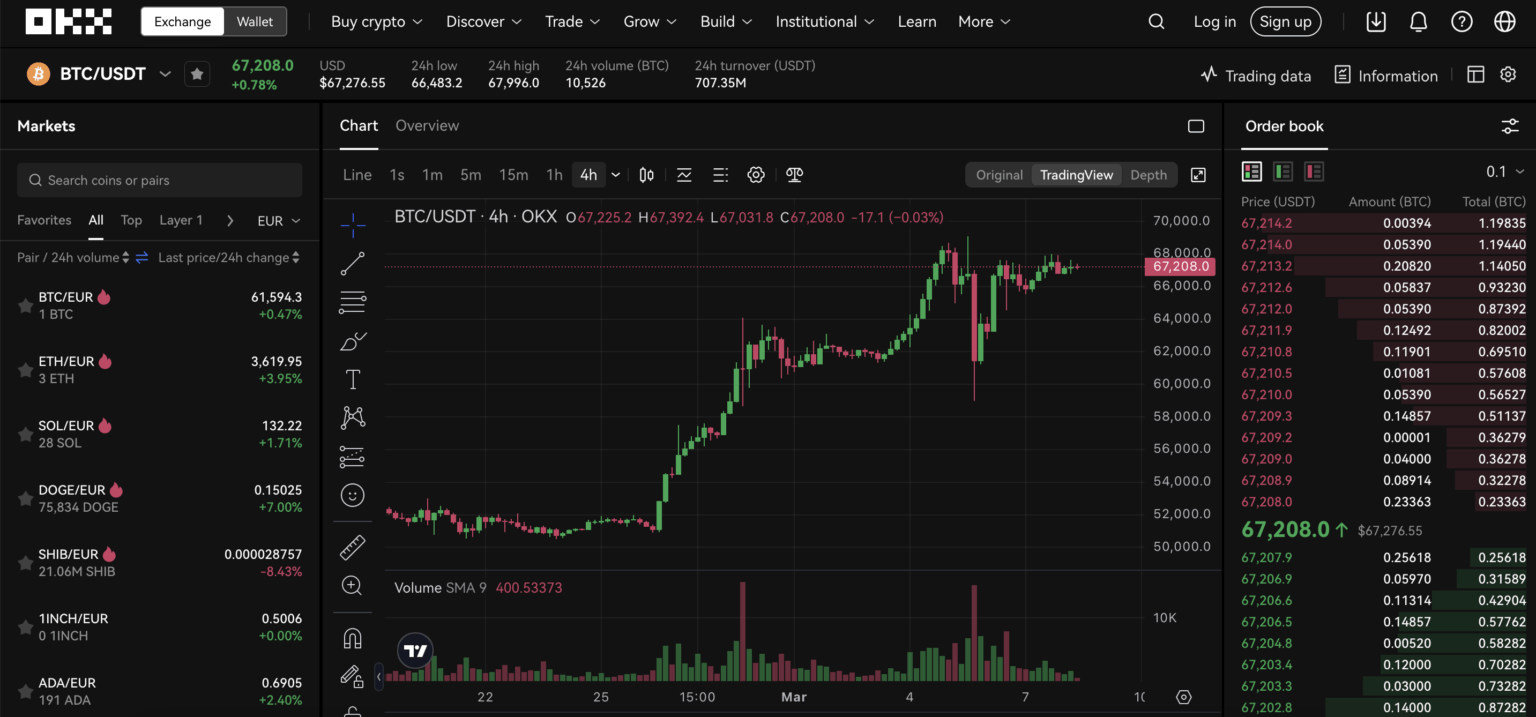
Futures trading deserves its own aside. Futures amplify profits and losses, and OKX supports a range of perpetuals and delivery contracts. If you’re coming from spot only, futures add concepts like margin, liquidation price, cross vs isolated margin, and funding rates. I’m biased, but funding rate dynamics are one of the sneakiest recurring costs. Little fees add up over time, especially if you hold through volatile funding windows.
Seriously? Yep. Funding can flip the economics of a long or short position overnight. So before you hit leverage, calculate the funding cost and add buffer. Use small position sizes until you’ve felt how margin calls work in practice. On paper, you think you get it; in live markets you’ll learn faster—sometimes painfully. That’s okay though, because practical experience beats theory pretty often.
Practical sign-in walkthrough. Start at your desktop if possible. Enter email and password. Approve the authenticator push or paste the 6-digit code. Then if OKX asks, confirm the device via the link they send to your email. If something fails, clear browser cookies or try the app instead—sometimes the web session misbehaves. (Oh, and by the way…) keep browser extensions minimal during login; some extensions interfere with scripts and cause weird errors.
Fingerprint and face unlock on mobile are great, but don’t rely solely on them. You still need the baseline password and often a second factor for withdrawals or futures trading. My rule is simple: strong password manager + hardware key where supported. I’m not 100% sure everyone needs a YubiKey, but for sizable accounts, it’s worth considering. The incremental security helps when an email account gets phishy.
Verification delays happen. If you submit KYC and it’s pending longer than expected, check the upload quality and timestamp. The support portal sometimes needs a nudge—open a ticket with clear photos and a concise note. Don’t flood them; that just makes it slower. Wait, actually—if you’re frantic, a polite follow-up works. Tone matters even in support tickets, true story.
Where to Start: The Simple First Moves (with a link that helps)
When you’re ready to sign up or log back in, use the official portal to avoid scams—here’s the trusted route for a smooth start: okx sign in. Seriously—phishing links look real, so bookmark the login or type it yourself. If you landed via a search ad, double-check the URL and certificate. My instinct said “check twice” the first hundred times, and honestly, it’s paid off.
Now, a quick run-down of verification types. Tier 1 usually requires basic identity proof and unlocks spot trading. Tier 2 adds more checks and lifts withdrawal and leverage caps. Business or institutional accounts need corporate docs. If you have dual citizenship or travel often, upload the document that best matches the country of residence for faster approval. This little mismatch is a common snag—many traders forget to align address proofs.
Futures setup tips. Start with demo accounts if you can. OKX offers testnet or paper trading environments where you can simulate leverage without risking capital. Use them. Try different margin modes and watch how your liquidation price changes as you scale positions. Also track fees: maker vs taker and the funding schedule. I once misread the fee table and felt a sting—learn from that instead of repeating it.
Risk control is more than stop-loss orders. Use position sizing rules—never more than a small percentage of your equity on a single trade. Set alerts for funding rate spikes and watch open interest for crowded trades. If the market gets thin, spreads widen and slippage grows. That happened during a US holiday when liquidity dropped and my exit costs doubled. Not fun, but it teaches respect for market structure.
Troubleshooting quick hits. Forgotten password? Use the reset flow but expect extra scrutiny if you’re changing device locations. Authenticator lost? Use recovery codes or contact support with identity proof; it’s not instant. Suspicious charge: freeze withdrawals, change passwords, and escalate. Sometimes things look scarier than they are—calm, methodical steps are better than panicked clicking. Hmm… obvious but worth repeating.
On withdrawals and fiat rails. US users often ask about bank transfers and stablecoin exits. OKX supports multiple fiat on-ramps, but availability depends on regulatory relationships and your verification tier. If you need dollar transfers, plan time for bank processing and double-check routing details. One wrong digit and the wire goes elsewhere—true story from a friend, sigh. Recovery is possible but painful.
Community resources matter. Join OKX subreddits and Discord channels with caution (watch scams). Official guides and community threads can save you time. I learned a few tricks in a trader chat that smoothed my futures workflow. That said, verify everything—rumors travel fast and accuracy doesn’t always follow.
FAQ
How long does OKX verification take?
It varies. Simple ID checks can finish within minutes, while more detailed reviews may take 24-72 hours. Peak times slow things down. If you have all documents ready and match your account info, approval is faster—upload quality matters.
Can I trade futures immediately after signing up?
Not usually. Futures require sufficient verification and sometimes additional agreements or tests. You may need to enable margin trading and accept the risks. Start small on testnet or low-leverage positions until you’re confident.
What should I do if I get locked out?
Don’t panic. Use the account recovery flow and follow the steps precisely. Prepare ID, recent transaction details, and device info for support. Patience helps; rushing often causes mistakes.