
Okay — quick confession. I’m picky about wallets. Really picky. My instinct said “use whatever’s popular,” but something felt off about the average UX and the missing simulation tools that actually save you money. Whoa. So I spent a few months testing multi-chain wallets, poking at gas simulators, and breaking transactions on purpose just to see what would happen. The result? I landed on a wallet that treats transactions like first-class citizens and not just an afterthought.
Here’s the thing. Most wallets give you keys and a send button. Medium-level security, medium-level clarity. But DeFi power users need more: clear gas previews, failure protection, and multi-chain context so you don’t accidentally bridge funds wrong. Initially I thought that was niche. Then I watched a friend lose a swap to a frontrun bot — messy, and totally avoidable. Hmm… so I dug deeper.
I’ll be honest: I’m biased toward tools that surface the hard parts up-front. My gut told me a wallet that simulates transactions and offers actionable feedback would cut losses and noise. And it does. Seriously. It’s less flashy and more pragmatic; it helps you anticipate failures, spot expensive gas, and reroute operations when chains act weird.
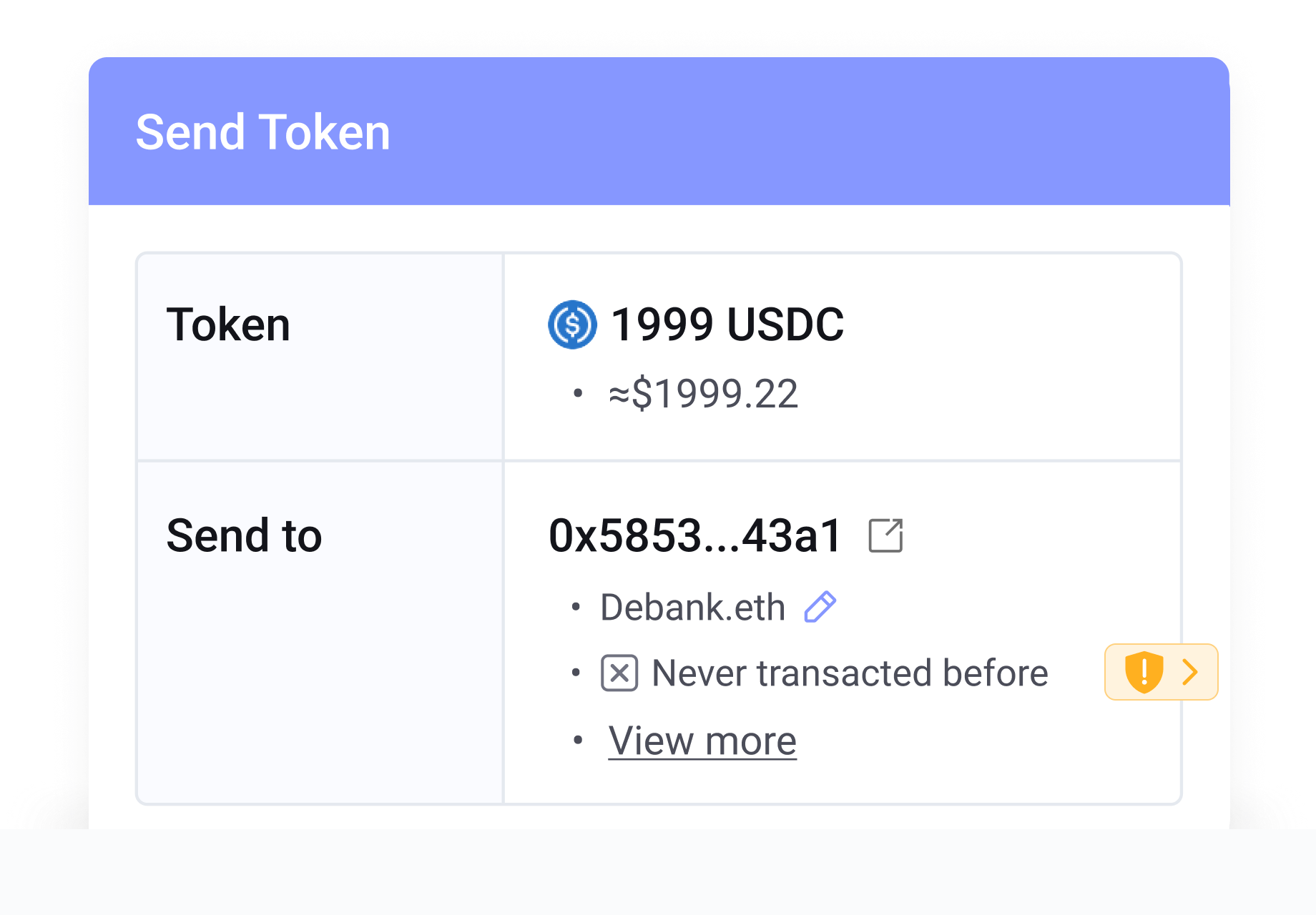
What “transaction simulation” even means — and why it matters
Short version: simulation runs your intended action in a read-only environment so you know what will happen before you sign. Really? Yes. Think of it like a test-drive for a complex swap, or a dress rehearsal before the curtain falls. On one hand this is nerdy. On the other, it’s the difference between a successful trade and a gas-draining failure.
On deeper thought: the blockchain is deterministic but the mempool is chaotic; price slippage, contracts that revert, and miner preferences all conspire to surprise you. Simulation isn’t a crystal ball, though it’s the next best thing. It shows call traces, estimated gas, potential reverts and even gas refunds or stuck states. Initially I thought this was only useful for pros, but once you see a simulation that calls out a likely revert — you won’t go back.
Something else bugs me about common wallet flows: they hide the reason a transaction failed. You sign, you wait, and then a vague “reverted” pops up. Not helpful. A good simulator explains the failure chain, points to the failing opcode or require statement, and suggests mitigation — like increasing slippage for a DEX swap (careful) or breaking a complex operation into two steps.
Real-world perks for DeFi power users
Okay, so check this out— these are the bits that actually change behavior for frequent users:
- Preflight gas estimates by priority (slow / normal / fast) that reflect mempool dynamics.
- Revert diagnostics: which contract line blew up and why.
- Dry-run state diffs showing token balance changes without spending gas.
- Cross-chain context: warns if you’re using a bridge with known liquidity frictions.
On one hand some of this sounds like overkill. On the other, the first time you avoid a failed contract call saving $20 in fees, you’ll see the ROI. My instinct said “worth it” the minute the simulator showed a slippage slip I hadn’t anticipated. Oh, and by the way — sometimes the best tool is a readable UX that doesn’t bury the nuance.
Installing a focused wallet extension — a practical walkthrough
Installation is boringly simple most of the time. But you want to avoid shady builds and copied extensions. Seriously, check the publisher, the permissions, and reviews. Walkthrough: install, create or import a wallet, and then test with a small tx on a testnet or tiny mainnet amount to verify the experience. Easy steps, high impact.
If you want a wallet that centers transaction safety and simulation, try this resource: https://sites.google.com/cryptowalletextensionus.com/rabby-wallet/. It’s not the only option, but it shows the kind of focused thinking that matters for heavy DeFi users.
My first impressions were cautious. Actually, wait— let me rephrase that: I thought the feature list was marketing fluff. Then I used it for a week and caught three potential failures before they happened. That flipped my opinion. Something about seeing the problem ahead of time feels empowering. Not dramatic, but useful.
Common workflows where simulation saves you
Here are scenarios where simulation moves from “nice” to “necessary”:
- Complex DEX routing that touches multiple pools — simulations show price impact and intermediate state changes.
- Liquidity pooling or staking where multiple approvals and contract interactions can cascade into failed transactions.
- Bridges with wrapped asset flows — you get warnings about slippage, wrapping steps, or missing approvals.
- Batch transactions or multisig proposals where a single failed call can invalidate the whole bundle.
There’s also a behavioral shift: you start planning transactions differently. Instead of slapping “max” on a swap, you preview, tweak slippage, and sometimes split the trade. My approach evolved from reckless speed to strategic patience. Small change, big savings.
Security posture and privacy trade-offs
Simulators must query chain state to be useful, so there’s a slight privacy surface — they need to see pending mempool and on-chain data. That’s ok if the provider is open about endpoints and lets you run local RPC or a trusted node. I’m not 100% sure about every provider’s telemetry, so I route critical actions through my own node when possible. Paranoid? Maybe. But it’s DeFi, so paranoia is partly prophylactic.
Also: browser extension vs. native app. Extensions are convenient but expand the attack surface. I use hardware wallets for large positions and the extension for active trading. It feels like the right balance — hot for agility, cold for core holdings. This strategy isn’t perfect, though; you’ll need to calibrate based on tolerance and threat model.
Personal quirks and tips from long-term use
I’m a creature of habit. I use the same set of networks, same gas-speed patterns, and a tiny playlist while I trade — odd, I know. But habits help reduce mistakes. A few practical tips I’ve learned the annoying way:
- Always preview the tx even if you’re in a hurry. One missed approve is costly.
- Use simulation to validate approvals; sometimes contracts request more than expected.
- When bridging, simulate the receive-side chain separately — liquidity can dry up on the other end.
One caveat: no tool is a substitute for judgment. The simulator gives evidence, not wisdom. On one hand it reduces surprises, though actually — you still need to interpret results and act accordingly. I’m biased toward tools that surface evidence and don’t hide complexity behind pretty graphics.
Frequently asked questions
Does simulation guarantee my transaction won’t fail?
No. Simulation reduces unknowns by showing a likely outcome given current state and mempool, but the network can change between simulation and execution. Use it as a strong signal, not an absolute promise. Also consider bumping gas or using protective settings for critical ops.
Are these wallets safe for large holdings?
Use a layered approach: hardware wallets for cold storage and a transaction-focused extension for active management. Make sure the extension allows hardware integration and minimal permissions. And, uh, don’t store your seed phrase in your notes app. Seriously.
Can I run my own node with these wallets?
Many transaction-savvy extensions let you point to a custom RPC or run a local node for greater privacy and accuracy. If you’re doing high-frequency or high-value operations, running your own node reduces third-party telemetry and improves trust in simulation data.
So what’s the takeaway? Start using a wallet that respects the complexity of DeFi transactions. Simulate, verify, and then sign. It sounds obvious now, but it only becomes habitfulness after a few saved mistakes and a couple of close calls. I’m less anxious about trading, and that’s worth something.
One last thing — I’m not selling you a silver bullet. Tools help, but discipline wins. Try the link I mentioned earlier and run a harmless test transaction. You’ll either breathe easier or learn why you should be careful. Either way, you’ll be better off. Somethin’ to chew on…