
The Allure of Casino Gaming
Casino gaming captivates millions around the globe, drawing players into a world filled with excitement and the potential for financial gain. The psychology behind this attraction is rooted in various factors, including the thrill of chance, social interaction, and the environment of the casino itself. Additionally, for those seeking an exciting experience, exploring an online casino could be an enticing option. The sounds of spinning slots, the cheers from table games, and the overall ambiance create a sensory experience that enhances the excitement, making players feel alive and engaged.
Additionally, the concept of risk plays a significant role in casino gaming. The uncertainty of winning can evoke a rush of adrenaline, leading to a desire to continue playing. This rush not only reinforces gambling behavior but also contributes to what psychologists refer to as the “gambling addiction cycle,” wherein players chase losses in hopes of hitting a big win.
The Role of Cognitive Biases
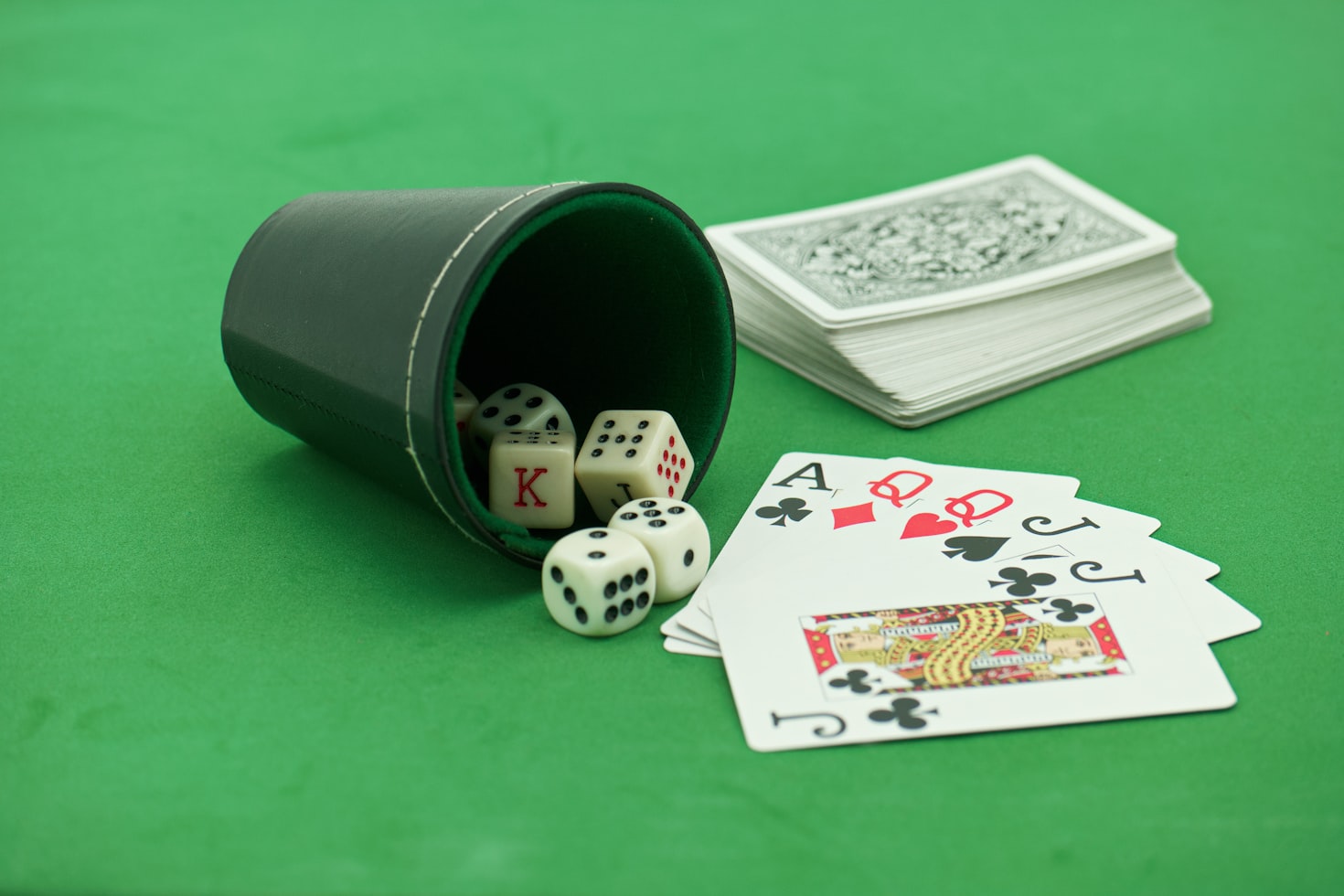
Cognitive biases significantly influence players’ decisions in casinos. One prominent bias is the illusion of control, where players believe they can influence outcomes, such as when rolling dice or playing card games. This belief can lead to overconfidence and an increase in gambling activity, as players may feel that they are more skilled than they truly are.
Another common bias is the gambler’s fallacy, the mistaken belief that past events affect future outcomes in random games. For example, if a player experiences a long losing streak, they may feel that they are “due” for a win. Such misconceptions can lead to prolonged gaming sessions and increased wagers, ultimately impacting their financial well-being.
The Impact of Social Factors
Social dynamics greatly shape gambling behaviors. Many individuals enjoy gaming as a communal activity, where the presence of friends or family enhances the overall experience. Social reinforcement, such as celebrating wins together or engaging in friendly banter, can drive players to return to casinos more frequently.
Furthermore, peer pressure can also play a role. Being in an environment where friends or acquaintances are gambling can encourage individuals to partake in gaming activities, even if they initially had no intention of doing so. This social aspect underscores the importance of understanding the communal nature of gambling and its psychological implications.
The Emotional Roller Coaster of Gambling
Casino gaming is not just about winning money; it involves a wide range of emotions. Players often experience highs and lows, from the excitement of a big win to the disappointment of a loss. This emotional roller coaster can create a powerful psychological attachment to gambling, as players seek more highs to counterbalance the lows.
The concept of “near misses,” when players come close to winning, also plays a crucial role in maintaining interest and engagement. Near misses can reinforce the desire to continue playing, as they provide a tantalizing glimpse of potential success, leading players to believe that a win is just around the corner.
Your Guide to Responsible Gaming
Understanding the psychology behind casino gaming habits is essential for maintaining a healthy approach to gambling. It is crucial for players to be aware of their emotions, cognitive biases, and the social influences that may affect their gaming behavior. By recognizing these factors, individuals can develop strategies to enjoy gaming as a form of entertainment rather than a source of stress or financial burden.
As you navigate the online gambling landscape, it is important to seek out insights and advice from resources that specialize in responsible gaming. This understanding can help you make informed choices, enabling you to balance your casino experiences while minimizing risk and maximizing enjoyment.